
How Often Should You Service a Water Filter in Kochi? A Complete Maintenance Guide
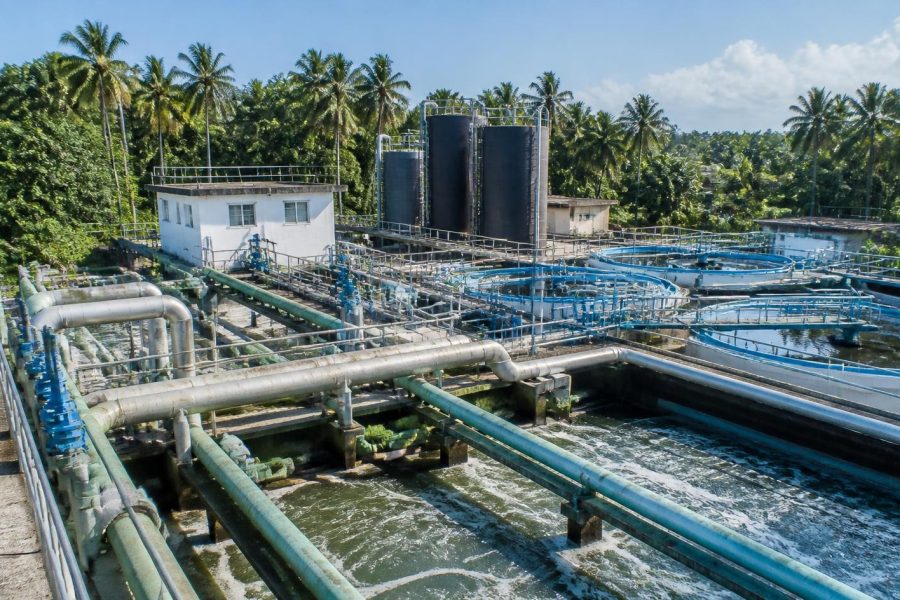
Most household water filters should be professionally inspected at least once a year, while cartridges and other components should be replaced according to their condition, water quality, usage, and manufacturer recommendations. Systems exposed to high sediment, hardness, heavy usage, or challenging source-water conditions may require more frequent attention.
For homeowners and businesses, regular water filter services in Kochi can help identify clogged cartridges, reduced water flow, leaks, scaling, membrane-performance issues, and other problems before they affect the system significantly.
However, there is no universal service interval for every water filter. A domestic RO purifier, whole-house filter, commercial filtration system, and industrial RO plant all have different maintenance requirements.
The right schedule depends on:
- Type of filtration system
- Water source
- Water quality
- Daily water consumption
- Filter and membrane condition
- Manufacturer recommendations
- Operating environment
Why Is Regular Water Filter Maintenance Important?
A water filter continuously interacts with the water entering your property. Over time, filtration media and cartridges can accumulate the substances they are designed to remove.
Without appropriate maintenance, you may notice:
- Reduced water flow
- Changes in taste or odour
- Frequent cartridge clogging
- Leakage
- Reduced system output
- Scaling
- Increased pressure on system components
- Poor overall filtration performance
Regular water filter maintenance in Kochi helps you identify these issues early and keep the filtration system operating as intended.
Maintenance is especially important for systems serving homes, offices, restaurants, hotels, hospitals, institutions and commercial facilities, where consistent water availability can be essential to daily operations.
What Determines How Often a Water Filter Needs Service?
There is no single maintenance schedule that applies to every installation. Several factors influence how frequently a filter should be checked.
What Type of Water Filter Do You Use?
Different filtration technologies have different maintenance requirements.
Sediment Filters
Sediment filters capture suspended particles such as sand, dirt and other particulate matter. They may require more frequent replacement when incoming water contains significant sediment.
Activated Carbon Filters
Carbon filters are commonly used to improve certain taste and odour characteristics and reduce specific contaminants. Their replacement schedule depends on the system design, water quality and usage.
Reverse Osmosis Systems
RO systems use a membrane and multiple filtration stages. Their performance can be affected by feed-water quality, pressure, scaling, fouling and usage.
Water Softeners
Water softeners address hardness rather than serving the same function as a drinking-water purifier. Their maintenance depends on water hardness, system capacity, regeneration settings and usage.
Why Are Different Water Treatment Plants Needed?
No single treatment method can efficiently address every type of water-quality problem.
Water from different sources can have very different characteristics.
For example:
Borewell water may contain hardness, iron, dissolved solids or other groundwater-related contaminants.
Surface water may contain suspended solids, turbidity and microorganisms.
Municipal water may require additional treatment depending on its quality and intended use.
Industrial wastewater may contain chemicals, oils, organic pollutants, suspended solids and process-specific contaminants.
Therefore, the treatment process should be selected based on what is present in the water and what quality is required after treatment.
How Does Water Quality Affect Filter Maintenance in Kochi?
Water quality is one of the most important factors affecting filter maintenance.
A property may receive water from a municipal supply, well, borewell or another source. The characteristics of that water can vary, which means two properties in Kochi may not require exactly the same filtration or maintenance approach.
Relevant water-quality parameters can include:
- TDS
- Hardness
- Iron
- Turbidity
- Fluoride
- Microbiological parameters
- Other physical and chemical characteristics
For this reason, it is better to test the water rather than choose a filtration system based only on assumptions.
Charcol’s water-treatment portfolio includes water testing, RO systems, water softeners, water cartridges, filters, water purifiers and AMC & maintenance services. Its water-testing division, Green Metrics Labs, provides water testing services and states that it is approved by the Kerala State Pollution Control Board.
What Are the Signs Your Water Filter Needs Servicing?
Recognizing early warning signs can help prevent avoidable filtration problems.
Is the Water Flow Slower Than Usual?
A noticeable reduction in water flow can be associated with a clogged cartridge, sediment accumulation, pressure problems or another system issue.
If the reduction is persistent, arrange a professional inspection.
Has the Taste or Odour Changed?
An unexpected change in taste or odour should not be ignored.
It may indicate that a filtration component requires inspection, although changes in source-water quality can also be responsible.
Is the Filter Clogging Frequently?
Repeated clogging can indicate that the incoming water contains a higher sediment load than the existing filtration setup can comfortably handle.
This may be a sign that the system needs assessment rather than simply repeated cartridge replacement.
Is There a Water Leak?
Leaks around filter housings, tubing, connections or seals should be checked promptly.
Even a small leak can become a larger maintenance issue if ignored.
Has the RO System’s Output Reduced?
Reduced RO output can have several possible causes, including filter condition, membrane performance, water pressure, temperature and feed-water quality.
A professional assessment can help identify the actual cause.
When Should You Replace Water Filter Cartridges?
Filter cartridges should be replaced based on the manufacturer’s recommendations, water quality, usage and actual filter condition.
There is no reliable one-size-fits-all replacement interval.
For example, a household using relatively clean water may have different cartridge requirements from a property using water with high sediment levels.
Watch for:
- Reduced flow
- Visible cartridge contamination where applicable
- Frequent clogging
- Changes in water characteristics
- Manufacturer-recommended replacement intervals
If you are unsure which component needs replacement, professional water purifier maintenance in Kochi can help determine the appropriate next step.
When Should an RO Membrane Be Checked?
An RO membrane should be evaluated when system performance changes rather than being replaced simply because a fixed amount of time has passed.
Possible warning signs include:
- Reduced purified-water output
- Changes in water quality
- Unusual system behaviour
- Increased reject-water ratio
- Persistent performance problems
Membrane condition depends on several factors, including feed-water characteristics, operating pressure, pretreatment and maintenance.
This is why RO service in Kochi should involve system-level assessment rather than automatic membrane replacement.
How Does Water Testing Help With Filter Maintenance?
Water testing helps identify what is actually present in the water and can guide filtration decisions.
For example:
If hardness is high → a suitable softening solution may need to be considered.
If sediment is high → additional or more appropriate sediment filtration may be required.
If specific chemical or microbiological parameters are elevated → the treatment approach may need to be reviewed.
This creates a more logical process:
Test → Analyse → Treat → Maintain → Monitor
Rather than repeatedly replacing filters without understanding the underlying water condition.
What Should a Professional Water Filter Service Include?
A proper service should involve more than simply changing a cartridge.
Depending on the type of system, professional maintenance may include:
- Filter-condition inspection
- Cartridge assessment
- Filter-housing inspection
- Leak and connection checks
- Water-flow assessment
- RO system performance evaluation
- Membrane assessment where applicable
- Pressure-related checks
- Scaling or fouling assessment
- Replacement recommendations
- Review of maintenance requirements
For larger commercial or industrial systems, maintenance may require more detailed performance evaluation.
What Is a Good Water Filter Maintenance Schedule?
A practical approach is to divide maintenance into three levels.
Monthly: Check for Visible Changes
Users can monitor:
- Water flow
- Leakage
- Unusual taste or odour
- Unusual sounds
- Changes in output
Periodically: Check Filter Components
Inspect cartridges, housings, tubing and other accessible components according to the manufacturer’s instructions.
Annually: Arrange Professional Inspection
A professional inspection can help identify:
- Worn components
- Clogged filters
- Membrane issues
- Leakage
- Scaling
- Water-quality concerns
- Potential performance problems
Heavy-use or commercial systems may need more frequent maintenance.
How Can Kochi Homes Reduce Water Filter Maintenance Problems?
You can reduce avoidable filtration issues by following a few practical steps.
Know Your Water Source
Understand whether your property uses municipal, well, borewell or another water source.
Test When There Is a Reason
If you notice scaling, unusual taste, repeated clogging or a change in water quality, testing can provide useful information.
Follow Manufacturer Guidance
Use the recommended filter type and replacement procedure for your specific system.
Don’t Ignore Small Changes
Reduced flow or minor leakage can be an early indication of a developing issue.
Avoid Unnecessary Replacement
Replacing every component at the same time is not always necessary. Assess the actual condition and system requirements first.
Consider AMC for Regularly Used Systems
An annual maintenance contract (AMC) can provide a structured approach for systems that require regular professional attention.
Why Choose Charcol for Water Filter Services in Kochi?
Charcol approaches water treatment as more than simple filter replacement.
Its services include:
- Water testing
- Water purifiers
- RO systems
- Water cartridges
- Jumbo filters
- Slim filters
- Water softeners
- Water treatment plants
- AMC and maintenance
This broader service portfolio allows water-treatment requirements to be considered alongside testing, filtration and ongoing maintenance rather than treating every problem as a simple cartridge replacement.
Need Professional Water Filter Maintenance?
If your water filter has reduced flow, leakage, frequent clogging or other performance issues, contact Charcol for professional water-treatment guidance in Kochi.
What Is the Difference Between Water Filter Service and Water Filter Replacement?
Water filter service involves inspecting and maintaining the filtration system, while replacement involves changing a component that has reached the end of its useful service condition.
A service may identify that only one cartridge needs replacement, while the rest of the system remains functional.
In other cases, the inspection may reveal a larger issue involving the membrane, housing, pump, pressure or source-water condition.
This is why a professional inspection can be more useful than automatically replacing every component.
Is Water Filter AMC Worth Considering in Kochi?
For frequently used residential, commercial and institutional systems, an AMC can provide a structured maintenance schedule.
It may help businesses plan routine inspections and reduce dependence on emergency servicing.
AMC requirements vary according to:
- System type
- Capacity
- Usage
- Number of components
- Water quality
- Maintenance requirements
For larger water-treatment systems, planned maintenance can be particularly valuable because unexpected downtime may affect normal operations.
Conclusion
How often you should service a water filter in Kochi depends on the filtration system, water source, water quality, usage and component condition. While an annual professional inspection is a useful general starting point, cartridges, membranes and other components may require attention at different intervals.
The most reliable approach is not to follow a fixed replacement schedule blindly. Instead, monitor system performance, test water when appropriate, follow manufacturer recommendations and arrange professional maintenance when warning signs appear.
For households and businesses looking for water filter services in Kochi, Charcol offers a broader range of water-treatment solutions, including water testing, filtration systems, RO, water softeners, cartridges and AMC & maintenance.
Frequently Asked Questions
A professional inspection at least once a year is a useful general guideline, but the actual frequency depends on the filter type, water quality, usage and manufacturer’s recommendations.
Common warning signs include reduced water flow, leakage, frequent clogging, changes in taste or odour, reduced output and unusual system behaviour.
There is no universal replacement interval. Cartridge and membrane life depends on water quality, usage, system design and manufacturer recommendations.
Not necessarily. TDS alone does not determine the complete safety or treatment requirement of water. A broader water-quality assessment can provide better guidance.
COME VISIT US
29/298 A Unichira Thaikavu Road, Changampuzha Nagar, Edapally Ernakulam
SEND US A MESSAGE
General: info@charcol.in Sales: sales@charcol.com