
Industrial Water Filtration Systems: Types, Applications and How to Choose the Right One
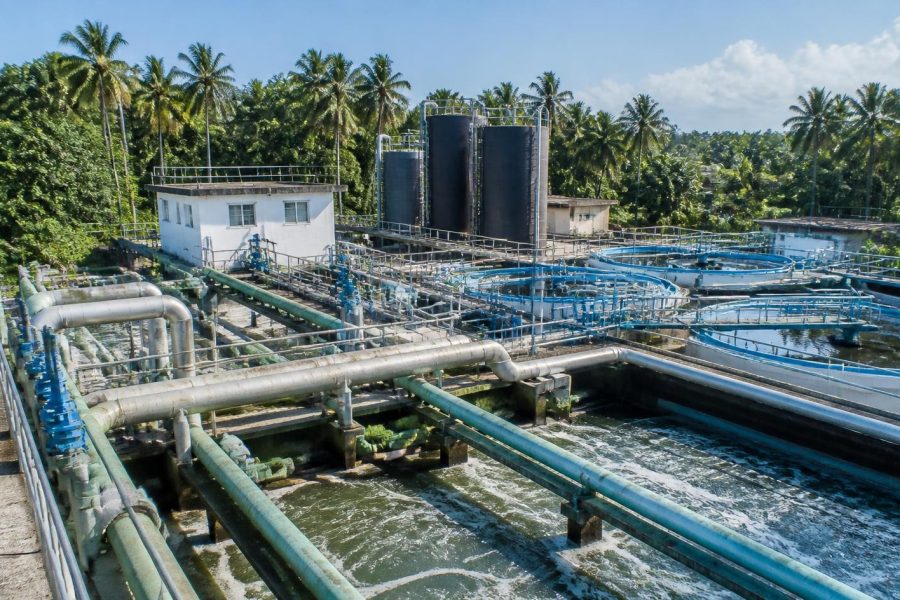
Industrial facilities use water for manufacturing, cleaning, cooling, processing, boilers and other operations. Because each application has different water-quality requirements, choosing an industrial filtration system based only on price or capacity can lead to poor performance and higher operating costs.
Industrial water filtration systems are designed to reduce specific contaminants from water before it is used in a process or sent to another treatment stage. The right solution depends on the source-water quality, contaminants, flow requirement, application and required treated-water quality.
Charcol Water provides customized water-treatment solutions for industrial and commercial requirements, including filtration systems, water cartridges, filter housings, RO systems, DM water systems and AMC and maintenance support.
What Is an Industrial Water Filtration System?
An industrial water filtration system is a treatment setup designed to remove targeted impurities from water at an industrial scale.
Depending on the water source and application, a system may include:
- Sediment or multimedia filtration
- Activated carbon filtration
- Cartridge filtration
- Jumbo or high-capacity filtration
- Ultrafiltration
- Reverse osmosis
- Water softening
- Demineralization
No single technology is suitable for every water-quality problem. For example, sediment filters are mainly used for suspended particles, while RO is used when a higher level of dissolved-solids reduction is required.
The first step should therefore be understanding the water, not selecting a filter.
Common Types of Industrial Water Filtration
1. Sediment and Multimedia Filters
These systems are generally used to reduce suspended particles such as sand, dirt and other solids.
They can be useful for:
- Borewell water
- Surface-water applications
- Manufacturing facilities
- RO pre-treatment
- General process-water applications
The media configuration should be selected according to the incoming water quality and required performance.
2. Activated Carbon Filters
Activated carbon filtration uses adsorption to reduce certain organic compounds and improve specific taste and odour characteristics.
It may be used for:
- Chlorine reduction
- Selected organic contaminants
- Pre-treatment applications
- Protecting sensitive downstream treatment stages
Carbon type and replacement requirements depend on the water characteristics and treatment objective.
3. Cartridge Filters
Cartridge filters provide a more targeted filtration stage and are available in different materials and micron ratings.
When selecting an industrial filter cartridge, consider:
- Micron rating
- Flow rate
- Filter material
- Operating pressure
- Contaminant load
- Replacement requirements
Charcol Water provides water cartridges and filter housings as part of its water-treatment solutions.
4. Jumbo and High-Capacity Filters
Industrial facilities with higher flow requirements may need larger-capacity filtration equipment.
The selection should consider:
- Required flow rate
- Water quality
- Available space
- Filter media
- Pressure conditions
- Maintenance requirements
A larger filter is not necessarily the better option. The system should match the actual operating requirements.
5. Ultrafiltration
Ultrafiltration is a membrane-based process used when finer separation is required than conventional filtration can provide.
It can be incorporated into industrial treatment systems where suspended and particulate contaminants need to be reduced. Appropriate pre-treatment is important for membrane performance.
6. Reverse Osmosis
Reverse osmosis uses pressure to move water through a semi-permeable membrane and can reduce a broad range of dissolved substances.
Industrial RO is often combined with pre-treatment rather than used alone.
A treatment train may include:
Raw Water → Sediment Filter → Carbon Filter → Cartridge Filter → RO → Post-Treatment
The actual configuration should be based on water analysis and the required end-use quality.
Where Are Industrial Filtration Systems Used?
Industrial filtration requirements vary by industry and application.
Manufacturing
Manufacturing plants may use filtered water for production, equipment protection, cleaning and utility operations.
Food and Beverage
Water treatment may support processing, cleaning and other plant requirements. The treatment system should be selected according to the specific application and applicable standards.
Hotels and Commercial Facilities
Hotels and large commercial facilities may require filtration for kitchens, laundry, cooling, boilers and other water-consuming operations.
Hospitals and Laboratories
These facilities can have specific water-quality requirements, making appropriate treatment selection particularly important.
Pharmaceutical and Specialized Industries
Where higher water purity is required, filtration may be combined with RO, demineralization or other purification processes.
How to Choose the Right Industrial Water Filter
Before choosing an industrial water filtration system, evaluate these key factors.
1. Source-Water Quality
Start with water testing. Depending on the application, relevant parameters may include:
- Turbidity
- TDS
- Hardness
- Iron
- pH
- Microbiological parameters
- Specific dissolved contaminants
This helps identify which treatment stages are actually required.
2. Required Flow Rate
Consider both average and peak water demand.
A system that is undersized may experience excessive pressure drop and reduced performance, while unnecessary oversizing can increase installation and operating costs.
3. Required Water Quality
The required treatment level depends on how the water will be used.
Not every industrial application requires RO or highly purified water. Selecting treatment according to the actual process requirement can help avoid unnecessary complexity.
4. Downstream Equipment
Consider what happens after filtration.
If filtered water enters an RO system, for example, appropriate pre-treatment can help protect the membrane from excessive particulate loading and other feed-water problems.
5. Maintenance Requirements
Maintenance should be considered during system selection.
Ask about:
- Cartridge replacement
- Backwashing
- Filter-media replacement
- Pressure monitoring
- Membrane cleaning
- Spare parts
- Service support
This helps businesses plan for reliable long-term operation rather than focusing only on installation.
Industrial Water Filtration and Maintenance
Even a properly selected system requires regular performance monitoring.
Important indicators include:
Flow rate: A noticeable reduction may indicate clogging or another system issue.
Pressure: Increasing pressure drop can indicate growing resistance within the filtration stage.
Water quality: Changes in treated-water quality may indicate a filtration or source-water problem.
Cartridge condition: Cartridge life depends on contaminant loading, water quality and operating conditions.
Maintenance intervals should therefore be based on actual operating conditions, water quality and manufacturer recommendations, rather than using the same schedule for every industrial facility.
For businesses that require ongoing support, Charcol Water also provides AMC and maintenance services for water-treatment systems.
Common Mistakes to Avoid
Choosing Only by Price
The lowest initial cost may not provide the lowest long-term operating cost.
Selecting Without Water Testing
Without understanding the source water, it is difficult to match the filtration technology to the actual contaminants.
Ignoring Peak Demand
Average consumption may not represent the facility’s maximum flow requirement.
Replacing Cartridges Without Finding the Cause
Frequent clogging may indicate excessive sediment, incorrect filtration, unsuitable flow conditions or another underlying issue.
Adding Unnecessary Treatment Stages
More treatment is not always better. The system should provide the required water quality without unnecessary equipment or operating costs.
Conclusion
Choosing the right industrial water filtration system starts with understanding the water and the application.Sediment, carbon, cartridge, high-capacity, ultrafiltration and RO systems each have different roles. The right combination depends on water quality, flow requirements, process needs and downstream equipment.
For industrial facilities in Kerala, Charcol Water provides customized filtration and water-treatment solutions supported by RO systems, water cartridges, filter housings, jumbo/slim filters and AMC and maintenance services.
Frequently Asked Questions
It is a treatment system designed to reduce specific contaminants from water used in industrial or commercial applications. It may combine sediment, carbon, cartridge, membrane or other filtration technologies.
There is no single filter suitable for every industrial application. The right choice depends on the source-water quality, contaminants, flow rate and required treated-water quality.
Start by testing the source water, identifying the required water quality, calculating the flow requirement and determining which contaminants need to be addressed. Maintenance and service requirements should also be considered.
Yes. Filtration is commonly used as pre-treatment before RO to help reduce particulate loading and protect downstream membrane equipment.
COME VISIT US
29/298 A Unichira Thaikavu Road, Changampuzha Nagar, Edapally Ernakulam
SEND US A MESSAGE
General: info@charcol.in Sales: sales@charcol.com