
Sewage Treatment Plant Manufacturer in Kochi: 7 Factors to Check Before Choosing
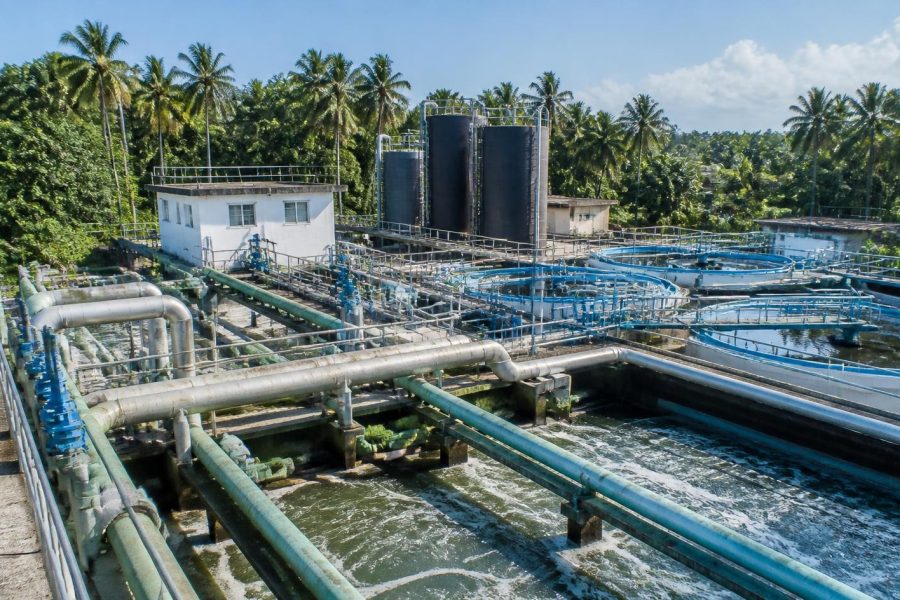
Charcol Water provides water and wastewater treatment solutions for residential, commercial, and industrial applications. For property owners, builders, and facility managers planning a sewage treatment project, choosing the right manufacturer is an important step towards reliable wastewater management.
A sewage treatment plant (STP) must be designed around the property’s wastewater generation, available space, treatment requirements, operating costs, and maintenance needs. Choosing a system based only on its quoted price can lead to unexpected expenses, performance problems, or costly modifications later.Whether you are developing an apartment complex, hotel, hospital, or commercial building, understanding what to evaluate before purchasing an STP can help you make a more informed decision.
Why Choosing the Right Sewage Treatment Plant Manufacturer in Kochi Matters
Buildings generate wastewater every day, but the quantity and characteristics of that wastewater vary according to occupancy, water usage, and the activities taking place on the premises.
An apartment complex, for example, primarily generates domestic sewage, while a hotel may experience significant changes in wastewater volume as occupancy fluctuates. Industrial facilities may require a different treatment approach because their wastewater can contain process-specific contaminants.
An unsuitable sewage treatment plant may experience hydraulic overloading, inconsistent treatment performance, unpleasant odours, excessive energy consumption, or recurring maintenance issues.The right manufacturer should therefore understand your project’s requirements before recommending a treatment system.
Before comparing suppliers, establish three essentials:
- Wastewater quantity: Estimate average and peak daily sewage generation.
- Required treatment quality: Identify the applicable discharge or reuse requirements.
- Long-term operation: Determine who will operate, inspect, and maintain the plant.
These details provide a starting point for evaluating technical proposals and identifying a system suited to your property.
How to Evaluate a Sewage Treatment Plant Manufacturer in Kochi
Choosing a manufacturer involves more than checking product specifications. You also need to understand the supplier’s engineering capabilities, installation process, documentation, and support after commissioning.
Ask potential suppliers to explain their proposed system in terms you can understand. A reliable technical proposal should clearly identify the design assumptions, treatment stages, major equipment, expected performance, and operating requirements.
You should also check whether the quotation includes site assessment, installation, electrical connections, commissioning, operator training, and after-sales support. Some suppliers may include these services, while others quote them separately.For property developers and facility managers, the following seven factors provide a practical framework for comparing options.
7 Factors to Check When Choosing a Sewage Treatment Plant Manufacturer in Kochi
1. Relevant Project Experience and Engineering Capability
Start by checking whether the manufacturer understands projects similar to yours. Experience with apartment sewage treatment plants, hotels, hospitals, educational institutions, and commercial buildings can be useful when the supplier can demonstrate relevant technical capability.
Rather than relying on general marketing claims, request information about comparable installations, the treatment technologies used, and the support provided during commissioning.
Ask these questions:
- Have you designed STPs for properties with similar wastewater loads?
- Can you explain why the proposed treatment process is suitable?
- Will you provide design drawings and equipment specifications?
- What technical support is available after installation?
A manufacturer should be able to explain the reasoning behind its recommendations. This helps you assess whether the proposed system addresses your actual requirements rather than simply matching a standard package.
2. Correct Plant Capacity and Site Assessment
STP capacity planning is one of the most important parts of system selection. An undersized plant may struggle during peak flows, while an unnecessarily oversized plant can increase capital costs and may operate inefficiently under low-load conditions.
The manufacturer should assess expected wastewater generation rather than selecting capacity based only on building size.
Important considerations include:
- Number of occupants, residents, employees, or guests
- Estimated sewage generation per day
- Peak flow periods and occupancy variations
- Existing collection tanks and drainage arrangements
- Available installation space and equipment access
- Planned expansion or changes in building use
For example, a hotel with seasonal occupancy may experience significant changes in wastewater flow. An apartment complex may have more predictable occupancy but still experience concentrated peak usage.
Request the proposed design capacity, the assumptions behind the calculations, and a site layout showing the location of tanks and equipment.
Also confirm that there is sufficient access for maintenance, sludge removal, equipment replacement, and safe operation. These practical details can make a substantial difference to long-term usability.
3. Treatment Technology and Expected Effluent Quality
Different sewage treatment technologies suit different site conditions, capacities, and operating requirements. The manufacturer should explain the proposed process and the treatment performance the system is designed to achieve.
Depending on the design, an STP may include screening, settling, biological treatment, clarification, filtration, and disinfection.
Biological treatment uses microorganisms to break down biodegradable organic matter. Additional treatment stages may be necessary to achieve the quality required for a particular discharge or reuse application.
When comparing proposals, check the following:
- What treatment stages are included?
- What inlet wastewater characteristics were assumed?
- What outlet water-quality parameters are specified?
- Is tertiary treatment or disinfection required?
- How will performance be monitored after commissioning?
Relevant parameters may include biochemical oxygen demand (BOD), chemical oxygen demand (COD), total suspended solids (TSS), and microbiological indicators, depending on the applicable requirements.
Do not accept vague promises such as “complete purification” without measurable specifications. Ask for the design basis and written performance criteria, and clarify which additional treatment equipment may be required.
4. Applicable Environmental and Regulatory Requirements
Before purchasing an STP, establish which permissions, environmental standards, and operating conditions apply to your project.
Requirements may differ depending on the facility, project size, location, discharge destination, and proposed reuse. The Kerala State Pollution Control Board and other relevant authorities may have requirements that need to be verified for the specific site.
Discuss the following with the manufacturer:
- Applicable consent and approval requirements
- Required treated-effluent quality
- Sampling and laboratory testing arrangements
- Sludge handling and disposal procedures
- Installation and commissioning documentation
- Records required during operation
If treated water will be reused for toilet flushing, gardening, cooling, or another non-potable purpose, verify the quality requirements for that particular application.
The manufacturer’s advice can support project planning, but it should not replace confirmation of the applicable regulatory requirements. Request written specifications and consult the relevant authority or a qualified environmental professional when necessary.
5. Total Installation and Operating Costs
A low initial quotation does not necessarily represent the most economical sewage treatment plant over its working life.
The actual cost includes equipment, civil construction, installation, electricity, consumables, maintenance, testing, and sludge management. Some expenses may be excluded from a supplier’s headline price.
Use this checklist when comparing quotations:
Cost category | What to verify |
Equipment | Tanks, pumps, blowers, controls, and treatment units |
Civil works | Excavation, foundations, and associated construction |
Installation | Piping, electrical connections, erection, and commissioning |
Electricity | Estimated consumption under stated operating conditions |
Consumables | Chemicals and other required materials |
Maintenance | Inspections, servicing, and replacement components |
Sludge management | Handling, dewatering where applicable, and appropriate disposal |
Testing | Initial performance checks and ongoing water-quality analysis |
Ask each manufacturer to separate one-time costs from recurring operating expenses. Request estimates based on stated assumptions rather than unsupported promises of low operating costs.Also compare warranty coverage, exclusions, payment milestones, and the procedure for addressing performance issues.
Buyer tip: Compare the expected total cost of ownership, not just the purchase price. A system that is easier to operate and maintain may offer better long-term value even if its initial cost is higher.
6. After-Sales Service, Spare Parts, and Maintenance
An STP requires regular operation and maintenance after installation. Equipment problems, poor operating conditions, or neglected maintenance can affect treatment performance.
Before choosing a sewage treatment plant supplier in Kochi, understand the support available after commissioning.
Check whether the manufacturer offers:
- Operator training and operating instructions
- Preventive maintenance schedules
- Inspection and servicing arrangements
- Spare parts and troubleshooting assistance
- Performance testing support
- Sludge management guidance
- Annual maintenance contract (AMC) options
The maintenance schedule will depend on the system’s design, wastewater load, operating conditions, and equipment specifications. Pumps, blowers, screens, diffusers, filters, and control systems may require periodic checks.For apartments, hotels, and commercial buildings, a documented maintenance plan can help facility managers identify problems before they cause major operational disruptions.
7. Water Testing, Customised Design, and Future Expansion
The final factor is whether the proposed system is based on your wastewater characteristics and anticipated future needs.
Water testing can help establish the pollutants that need to be controlled and support treatment-process selection. For an existing STP experiencing inconsistent performance, wastewater analysis may also help investigate possible causes before modifications are recommended.
Consider these questions:
- Has the wastewater been characterised adequately?
- Does the design account for expected flow variations?
- Can the system accommodate planned expansion?
- Are monitoring and automation features appropriate for the site?
- Can the manufacturer support future upgrades?
A standard configuration may suit one property but not another. The appropriate design should balance treatment requirements, space, operating costs, maintenance, and the intended use of treated water.Avoid paying for unnecessary equipment, but do not remove treatment stages that are needed to achieve the required performance.
How to Compare STP Manufacturers Before Making a Decision
Once you have received quotations, compare suppliers using the same criteria. This makes it easier to identify missing information and understand why prices differ.
Use the following questions as a final evaluation checklist:
Evaluation criterion | What a suitable proposal should explain |
Capacity | Design flow and assumptions |
Treatment process | Why the selected technology suits the wastewater |
Effluent quality | Specified outlet parameters and performance criteria |
Site requirements | Space, utilities, access, and civil works |
Project cost | Included equipment, installation, and exclusions |
Operation | Staffing, energy use, and routine maintenance |
Support | Warranty, spare parts, servicing, and training |
Documentation | Drawings, operating instructions, and testing arrangements |
Sewage Treatment Plant and Wastewater Services by Charcol Water
Charcol Water provides water and wastewater treatment solutions for residential, commercial, and industrial applications. Its listed wastewater services include sewage treatment plants (STPs), effluent treatment plants (ETPs), maintenance, performance upgrades, and water-quality testing.For projects in Kochi, the following services may be relevant.
Sewage Treatment Plant Solutions
Charcol offers STP solutions for applications including residential complexes, hotels, institutions, and commercial properties. The appropriate system should be assessed against the property’s wastewater volume, site conditions, and treatment requirements.
Effluent Treatment Plants for Industrial Wastewater
Industrial effluent can contain pollutants that differ from domestic sewage. Charcol also offers ETP solutions, where the treatment process needs to be selected according to the wastewater characteristics and required treatment outcome.
Wastewater Testing Through Green Metrics Labs
Charcol’s water-testing division, Green Metrics Labs, lists wastewater and industrial effluent testing. Relevant parameters may include BOD, COD, oil and grease, suspended solids, and other pollutants, depending on the sample and testing requirements.
Testing can help establish wastewater characteristics and support treatment selection or performance assessment.
Maintenance, Upgrades, and Monitoring
Charcol’s wastewater service page lists maintenance contracts, performance upgrades, and automation or monitoring options among its related services. Confirm the specific scope, availability, and commercial terms for your project.
Conclusion
Choosing a sewage treatment plant manufacturer in Kochi requires more than comparing quotations. The manufacturer’s engineering capability, correct capacity planning, treatment technology, regulatory considerations, operating costs, maintenance support, and ability to accommodate future needs all deserve careful evaluation.
Use the seven factors in this guide to compare proposals, identify missing information, and select a system that fits your property’s wastewater requirements. Clear specifications and a practical maintenance plan can help reduce avoidable problems throughout the plant’s operating life.
Charcol Water offers sewage and effluent treatment solutions alongside wastewater testing and related maintenance services. If you are planning an STP project or reviewing an existing system, contact Charcol Water to discuss your requirements and explore a suitable technical approach.
The best starting point is to understand your wastewater, establish the required treatment outcome, and evaluate each proposal against the same criteria. That approach supports a more informed investment in long-term wastewater management.
Frequently Asked Questions
Evaluate the manufacturer’s engineering capability, capacity calculations, treatment technology, written performance specifications, installation scope, operating costs, and after-sales support. Request an itemised quotation and verify the requirements applicable to your project.
Capacity depends on estimated wastewater generation, occupancy, peak flows, wastewater characteristics, and future demand. The manufacturer should document the design assumptions and assess the site before recommending a system.
An STP generally treats domestic sewage from apartments, hotels, and commercial buildings. An ETP treats industrial wastewater, which may contain process-specific chemicals, oils, organic pollutants, or other contaminants. The treatment design depends on the wastewater’s characteristics.
The price depends on capacity, treatment technology, equipment specifications, civil works, installation, and commissioning. Electricity, maintenance, testing, and sludge management also affect long-term costs. Request a project-specific quotation for an accurate estimate.
Treated wastewater may be suitable for non-potable uses such as gardening or toilet flushing when it meets the applicable quality requirements. Suitability should be confirmed through appropriate testing and assessment.
COME VISIT US
29/298 A Unichira Thaikavu Road, Changampuzha Nagar, Edapally Ernakulam
SEND US A MESSAGE
General: info@charcol.in Sales: sales@charcol.com